
Tips for Keeping Towels Fresh, Soft, and Fluffy
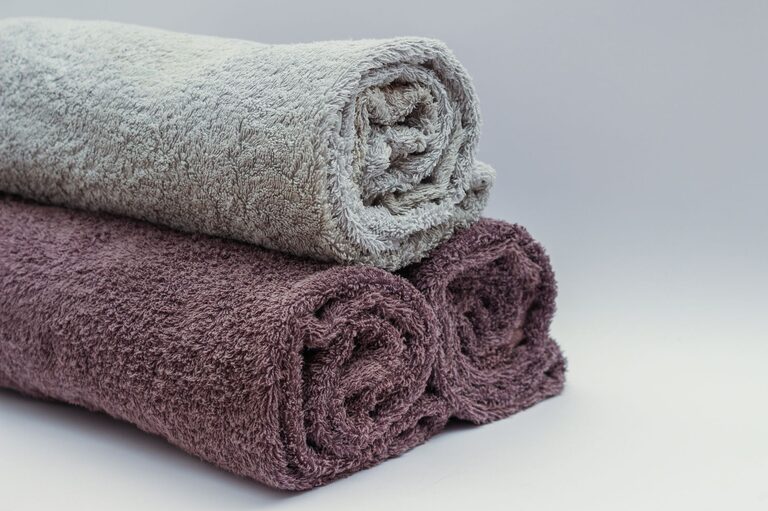
Towels are everyday essentials, but they can quickly become musty, stiff, or less absorbent without the right care. The good news is that a few simple laundry and storage habits can help keep them fresh, soft, and fluffy for much longer.
From choosing the right wash cycle to avoiding too much detergent, small changes can make a noticeable difference. Use these practical tips to give bath towels, hand towels, and washcloths better care.
Wash Towels Separately
Whenever possible, wash towels in their own load. Towels create lint, especially when they are new, and they need enough room to move freely through the washer.
Washing towels separately also helps you choose the right water temperature and cycle. Clothes with zippers, hooks, and rough fabrics can rub against towels and cause wear over time.
Avoid overfilling the washing machine. A crowded drum prevents water and detergent from reaching every towel properly, which can leave them less clean and make them feel stiff.
Sort by Color and Use
Separate white towels from dark or brightly colored towels to help prevent color transfer. You can also keep heavily soiled cleaning towels separate from bath towels.
For hygiene and freshness, do not mix towels used for cleaning floors, pets, or other messy tasks with towels used for bathing or drying hands.
Use the Right Amount of Detergent
More detergent does not always mean cleaner towels. Excess detergent can build up in the fibers, making towels feel coated, stiff, and less absorbent. It may also trap odors.
Follow the detergent label and adjust the amount based on:
– The size of the load
– How dirty the towels are
– The hardness of your water
– The type of washing machine you use
If your towels already feel waxy or have a lingering smell, run an extra rinse cycle. This can help remove leftover detergent and fabric softener.
Skip Fabric Softener
Fabric softener can make towels feel smooth at first, but it often coats the fibers. Over time, that coating can reduce absorbency and cause towels to hold onto odors.
Instead, rely on a thorough rinse and proper drying. If you like a softer feel, use dryer balls or shake the towels out before placing them in the dryer.
Some laundry products are designed specifically for towels, but always check the instructions and avoid using more than recommended.
Choose a Suitable Wash Temperature
Warm water can help remove body oils, lotions, and everyday buildup. However, always check the care label before choosing a temperature.
A hot wash may be suitable for some white cotton towels, but it can cause certain colors or materials to fade or shrink. Warm or cool water is often a good choice for regular washing, especially when towels are lightly soiled.
The most important factor is consistency. Washing towels regularly prevents dirt and moisture from building up in the fibers.
Add a Rinse Cycle When Needed
An extra rinse can be helpful if towels feel heavy, stiff, or less absorbent. It removes remaining detergent and other laundry products that may have collected in the fabric.
This is especially useful if you have hard water, use concentrated detergent, or wash large loads. Make sure the washer is not overloaded, since even an extra rinse cannot fully clean towels that are packed too tightly.
Dry Towels Thoroughly
Damp towels are more likely to develop a musty smell, so dry them as soon as the wash cycle ends. Do not leave wet towels sitting in the washer for several hours.
Before drying, shake each towel out. This separates the fibers and helps prevent them from drying in a tightly folded or twisted shape.
Use the Dryer Carefully
A tumble dryer can help towels stay fluffy, but avoid using excessive heat. High temperatures may weaken cotton fibers over time and increase shrinkage.
Use a medium heat setting when appropriate, and remove towels as soon as they are dry. Overdrying can make them feel rough and may use more energy than necessary.
Dryer balls can help separate towels as they tumble, allowing warm air to circulate more effectively. They may also reduce drying time and help loosen the fibers without fabric softener.
Air Dry With Enough Space
If you prefer to air-dry towels, hang them fully open rather than folded over a narrow rail. Good airflow is essential.
Avoid layering multiple damp towels on the same hook. If towels remain wet for too long, they may develop an unpleasant odor even if they were freshly washed.
For outdoor drying, place towels in a well-ventilated area. Direct sunlight can help brighten white towels, but strong sunlight may fade dark colors over time.
Prevent Musty Smells
The best way to prevent musty odors is to keep towels dry between uses. After bathing or showering, spread the towel over a wide rail or bar so air can reach both sides.
Do not place damp towels in a hamper immediately. Let them dry first, especially if laundry will not be washed the same day.
Clean the washing machine regularly as well. Residue and moisture inside the drum, detergent drawer, or door seal can transfer odors to laundry. Leave the washer door or lid slightly open after use, if the design allows, so the interior can dry.
For occasional odor buildup, wash towels according to their care labels with your usual detergent and an extra rinse. Avoid combining different cleaning products unless the labels specifically say they are safe to use together.
Store Towels the Right Way
Towels should be completely dry before they are folded and stored. Even a small amount of moisture can lead to stale smells in a closed cabinet.
Keep them in a cool, dry, and well-ventilated space. Avoid storing towels tightly against a damp wall or in a crowded cabinet.
You can fold or roll towels, depending on your available space. The method matters less than leaving enough room for air to circulate. If a linen closet tends to feel humid, leave the door open occasionally to improve ventilation.
Know When to Replace Towels
Even well-cared-for towels eventually wear out. Consider replacing a towel when it:
– Remains musty after thorough washing and drying
– Has thin or worn patches
– No longer absorbs water well
– Has frayed edges or loose threads
– Feels consistently rough despite proper care
You do not have to discard old towels immediately. Worn bath towels can become useful cleaning cloths, pet towels, or garage rags. Just keep these uses separate from personal bath and hand towels.
A Simple Towel Care Routine
For consistently fresh and fluffy towels, follow this basic routine:
- Wash towels separately from clothing when possible.
- Use the recommended amount of detergent.
- Skip fabric softener to protect absorbency.
- Avoid overloading the washer.
- Shake towels out before drying.
- Dry them completely without excessive heat.
- Hang used towels so they can air out between uses.
- Store only fully dry towels in a ventilated space.
- Clean your washing machine regularly.
With the right habits, towels can stay fresh, absorbent, and comfortable for years. The key is to prevent buildup, allow plenty of airflow, and make sure every towel is fully dry before it is used or stored.