How to Plan Balanced Meals Without Stress
Planning balanced meals does not have to mean following a strict menu, counting every ingredient, or spending hours in the kitchen. A simple approach can help you create satisfying meals while leaving room for busy days, changing preferences, and last-minute changes.
The goal is to build meals with a useful mix of foods, keep convenient options available, and make decisions easier throughout the week. With a few repeatable habits, meal planning can become a helpful routine rather than another task on your list.
Start with a simple meal formula
A balanced meal usually includes several types of food that work well together:
– A protein source
– Vegetables or fruit
– A source of carbohydrates
– A small amount of fat
– Water or another preferred drink
This does not mean every meal needs to look exactly the same. Instead, use the formula as a flexible guide. For example, a meal might include grilled chicken, roasted vegetables, brown rice, and a simple dressing. Another could be a bean and cheese quesadilla served with fruit and a side salad.
Thinking in categories is often easier than searching for new recipes every day. It also helps you use ingredients in different ways.
Choose foods you enjoy
A meal plan is more likely to work when it includes foods you already like. Start with familiar ingredients, then add variety over time. If you dislike a particular vegetable or do not enjoy complicated cooking, there is no need to build your plan around it.
Consider making a short list of favorite foods in each category:
– Proteins: eggs, beans, lentils, chicken, fish, tofu, yogurt, or cheese
– Carbohydrates: rice, pasta, potatoes, oats, bread, tortillas, or whole grains
– Produce: apples, bananas, greens, carrots, peppers, tomatoes, or frozen vegetables
– Flavor additions: herbs, spices, salsa, lemon, sauces, or dressings
This list gives you a starting point whenever you need a quick meal idea.
Plan meals for the week ahead
You do not need to plan every meal seven days in advance. Some people find it easier to plan three or four dinners and keep the remaining meals flexible. Others prefer to choose a few breakfast and lunch options that can be repeated.
Begin by checking your schedule. Note which days are likely to be busy, which evenings allow more cooking time, and whether you will eat away from home. Match your meal choices to your schedule instead of expecting every day to run perfectly.
For example:
– Busy evening: leftovers, sandwiches, soup, or a quick stir fry
– Relaxed evening: roasted vegetables with a grain and protein
– Weekend meal: a larger dish that can provide leftovers
– Day away from home: packed lunch or a convenient prepared option
Use a weekly planning template
A simple template can make planning faster:
- Choose two or three main proteins.
- Select two or three vegetables and two fruits.
- Pick a few carbohydrate options.
- Choose one or two sauces, spreads, or seasonings.
- Decide which meals can use leftovers.
- Write a short grocery list based on those choices.
This method gives you enough structure without requiring a different recipe for every meal.
Prepare ingredients instead of full meals
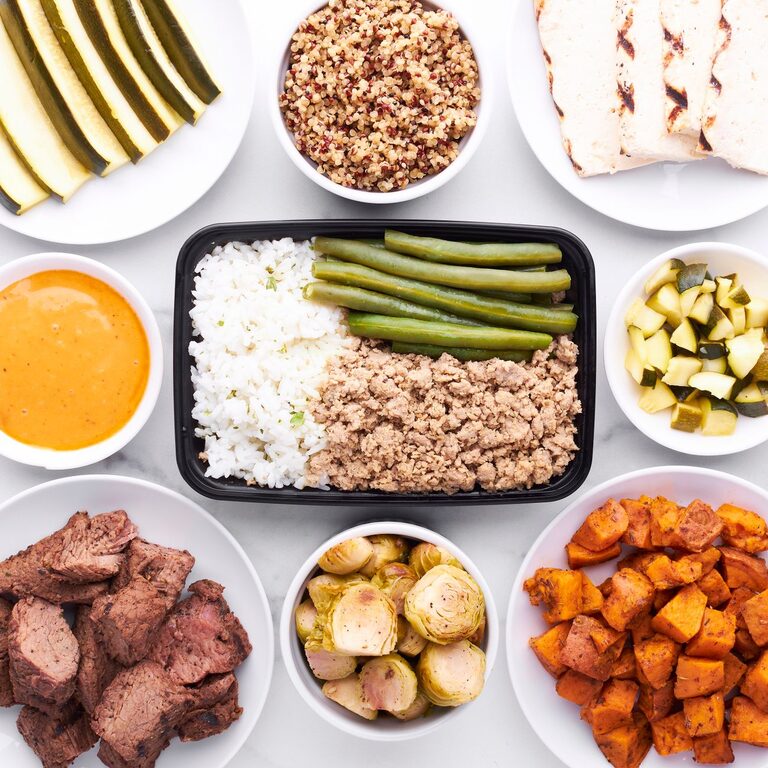
Meal preparation does not have to mean cooking several complete meals in advance. Preparing a few ingredients can be more flexible and may help prevent food from becoming repetitive.
You could:
– Wash and cut vegetables
– Cook a batch of rice, pasta, or another grain
– Prepare hard boiled eggs
– Roast a tray of vegetables
– Make a simple sauce or dressing
– Portion nuts, fruit, or snacks
– Cook beans, chicken, or another protein
Store prepared foods in clearly labeled containers and use them in different combinations. Cooked vegetables may work in a bowl, omelet, wrap, or pasta dish. A prepared grain can become a side dish one night and the base of a salad the next day.
If you have limited time, choose just one preparation task. Even washing produce or cooking one protein can make later meals easier.
Keep convenient ingredients on hand
Stress often comes from having no quick options available. A well-stocked kitchen can help you make a balanced meal without starting from scratch.
Useful shelf stable foods may include:
– Canned beans
– Canned fish or chicken
– Oats
– Whole grain pasta
– Rice
– Nut or seed butter
– Tomato sauce
– Canned vegetables
– Dried herbs and spices
The freezer can also be helpful. Frozen vegetables, fruit, cooked grains, and simple prepared foods can reduce waste and save time. Fresh, frozen, canned, and dried foods can all fit into a balanced eating pattern.
Try to keep a few fast combinations in mind, such as:
– Eggs, toast, and fruit
– Bean tacos with vegetables
– Pasta with tomato sauce, vegetables, and cheese
– Yogurt with oats, fruit, and nuts
– Rice with frozen vegetables and tofu or chicken
Make a grocery list that matches your plan
A grocery list is most useful when it reflects your actual week. Before shopping, look through your refrigerator, freezer, and pantry. Use foods that need to be eaten soon, and avoid buying ingredients for too many unrelated recipes.
Organize the list by store section, such as:
– Produce
– Protein foods
– Grains and bread
– Dairy or alternatives
– Frozen foods
– Pantry items
Consider how much of each food you are likely to use. Buying large quantities may seem convenient, but it can lead to waste if your schedule changes. Smaller amounts may be a better choice for foods that spoil quickly.
Leave room for flexibility
A successful meal plan should be adaptable. You may have an unexpected commitment, run out of time, or simply want something different. A flexible plan treats these changes as normal rather than as failures.
Keep one or two backup meals available for busy days. These might include frozen vegetables with eggs, a simple sandwich with fruit, or a prepared soup with whole grain toast. You can also swap ingredients based on what you have at home.
If a planned meal does not happen, move it to another day or use the ingredients in a different dish. There is no need to start over.
Avoid an all or nothing approach
One less balanced meal does not ruin your overall plan. Meals can vary, and different people have different schedules, budgets, and preferences. Focus on patterns over time rather than trying to make every plate perfect.
It can also help to avoid labeling foods as good or bad. Instead, think about how different foods fit your needs, preferences, and plans. This mindset can make meal planning more practical and enjoyable.
Create a short list of repeat meals
Repeat meals can save time and reduce daily decisions. Choose a few breakfasts, lunches, and dinners that are easy to prepare and that you enjoy.
For example:
– Breakfast: oatmeal with fruit, eggs with toast, or yogurt with granola
– Lunch: a grain bowl, soup and a sandwich, or leftovers
– Dinner: sheet pan meals, tacos, pasta, or a simple stir fry
You can keep the basic structure and change the ingredients. Swap beans for chicken, use different vegetables, or change the seasoning. This creates variety without requiring a completely new plan.
Review what works
At the end of the week, take a few minutes to consider what went well. Ask yourself:
– Which meals were easiest to prepare?
– Which foods were left unused?
– Did the plan fit my schedule?
– Which meals would I make again?
– What could be simpler next week?
Use these answers to adjust your next plan. Meal planning becomes easier when you treat it as a process that improves over time.
The most useful plan is not the most detailed one. It is the plan you can follow on ordinary days. By using a simple meal formula, preparing a few flexible ingredients, keeping convenient foods nearby, and allowing room for change, you can make balanced meals feel more manageable and less stressful.