How to Build a Simple Workout Corner at Home
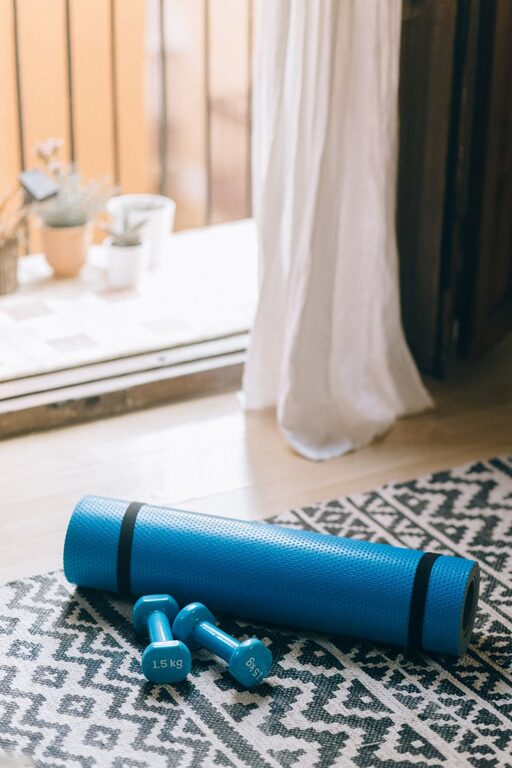
A dedicated workout corner can make exercise more convenient without requiring a full home gym. With a small amount of space, a few useful items, and a simple plan, you can create an area that supports stretching, strength exercises, cardio, or a mix of activities.
The best workout corner is not necessarily the largest or most expensive. It is a space that is easy to access, comfortable to use, and simple to keep organized. Here is how to create one that fits your home and your routine.
Choose the Right Location
Start by looking for an area that is easy to reach and has enough room for safe movement. You may be able to use part of a bedroom, living room, home office, basement, or covered outdoor area.
Consider these factors:
– Floor space: Make sure you can stand, stretch, and move your arms without hitting furniture or walls.
– Ceiling height: Check that you have enough clearance for overhead movements.
– Ventilation: A window, fan, or nearby airflow can make the area more comfortable.
– Lighting: Bright, pleasant lighting can make the space feel more inviting.
– Noise: If you live with others or in an apartment, choose equipment and exercises that limit loud impact.
– Storage: Leave room for a basket, shelf, or small cabinet to hold your equipment.
You do not need an entire room. A clear area about the size of a yoga mat may be enough for basic stretching, bodyweight exercises, and light strength work.
Measure Before You Buy
Before purchasing equipment, measure the available area. Write down the length, width, and height of the space. Also note the location of doors, windows, outlets, and furniture.
A simple floor plan can help you decide where each item will go. Keep the center of the area open and place storage along a wall. If you plan to use resistance bands or other items that require room to move, make sure the surrounding area is clear.
Avoid filling the space with equipment you rarely use. A compact setup is easier to clean, safer to move around, and less likely to become cluttered.
Start With the Basics
A few versatile items can support many types of workouts. Begin with equipment that matches your interests and available space.
Exercise Mat
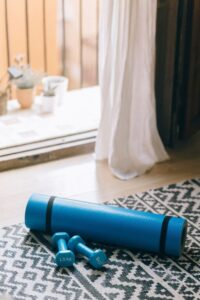
An exercise mat creates a more comfortable surface for floor exercises, stretching, yoga, and core work. Choose a mat that is long enough for your height and thick enough to cushion your hands, knees, and back.
Look for a mat that is easy to roll up and clean. If you have hard flooring, a slightly thicker option may provide added comfort.
Resistance Bands
Resistance bands are lightweight, affordable, and easy to store. They can be used for exercises that work the arms, legs, shoulders, and back. A set with different resistance levels gives you more flexibility as your routine changes.
Store the bands away from direct sunlight and check them regularly for cracks or signs of wear.
Light Weights
A pair of dumbbells can add variety to simple movements such as squats, rows, presses, and lunges. If you are new to strength training, choose a comfortable weight that allows controlled movement.
Adjustable dumbbells can save space, but fixed weights may be simpler to use. If you prefer not to buy weights immediately, household items such as filled water bottles can provide temporary resistance for some exercises.
Timer or Clock
A basic timer can help organize intervals, rest periods, or short circuits. You can use a wall clock, phone, or inexpensive digital timer. Keep the device where it is easy to see without interrupting your movement.
Add Equipment Gradually
Once you have used your basic setup for several weeks, consider whether you need anything else. Add items based on your actual routine rather than buying everything at once.
Useful additions may include:
– A small step platform
– A jump rope, if your space and flooring allow it
– A stability ball
– A foam roller
– A pull-up bar designed for your door frame
– A storage rack or wall hooks
– A compact bench for supported exercises
Each item should have a clear purpose. Before buying, ask yourself how often you will use it, where it will be stored, and whether it can support more than one type of exercise.
Plan Safe Storage
Good storage keeps the corner neat and reduces tripping hazards. Use a basket for bands, a vertical stand for weights, or a shelf for smaller items. A wall-mounted organizer can be helpful if it is installed securely and does not interfere with movement.
Keep heavy items on a low shelf or the floor. Do not stack equipment where it could fall. Store loose cords, handles, and small accessories in one container so they are easy to find.
At the end of each workout, return every item to its place. This small habit keeps the area ready for your next session.
Make the Space Comfortable
A welcoming environment can encourage regular use. Add simple features that make the corner pleasant without creating distractions.
You might include:
– A small fan
– A mirror for checking basic form
– A speaker for music or guided workouts
– A water bottle nearby
– A towel
– A plant or simple piece of wall art
– A small shelf for exercise notes
Keep decorations limited so the space remains practical. A clean, open area is usually more useful than a heavily decorated one.
If you use a mirror, position it where it will not create glare. It can help you notice general posture and alignment, but focus on smooth, controlled movement rather than constantly watching yourself.
Protect Your Floor and Walls
Exercise equipment can mark floors, scratch surfaces, or leave pressure spots. Place a protective mat under heavier equipment or anything that may slide. Avoid dragging weights or benches across the floor.
If you use a door-mounted bar, follow the product instructions carefully and confirm that the door frame is suitable. Do not attach equipment to a wall or ceiling unless it is designed for that purpose and installed correctly.
Keep a clear path around the workout corner. Remove rugs that slide, cords that cross the floor, and furniture with sharp edges near the exercise area.
Create a Simple Routine
A workout corner is most useful when it supports a routine you can maintain. You might begin with short sessions two or three times per week.
A basic session could include:
- Five minutes of gentle movement to warm up.
- A few bodyweight exercises, such as squats or wall pushups.
- Resistance band or light-weight exercises.
- A short stretching period.
- A few minutes to put away equipment and wipe down surfaces.
Choose activities that match your goals, experience, and available space. Keep early sessions manageable so the routine feels practical rather than overwhelming.
You can also keep a notebook or note on your phone to record the exercises you enjoy. This makes it easier to plan future sessions and notice which equipment you actually use.
Keep the Corner Fresh
Clean the mat and wipe down frequently handled equipment regularly. Check bands, cables, handles, and fasteners for damage. Replace worn items instead of continuing to use them.
Every few months, review the setup. Remove equipment you no longer use, adjust the layout, and make sure the space still works for your routine. A workout corner should change with your needs.
The goal is not to create a perfect gym. It is to build a convenient, safe, and comfortable place that makes movement easier to fit into your day. Start small, keep the area organized, and add equipment only when it supports a routine you enjoy.