
How to Track Habits and Stay Consistent
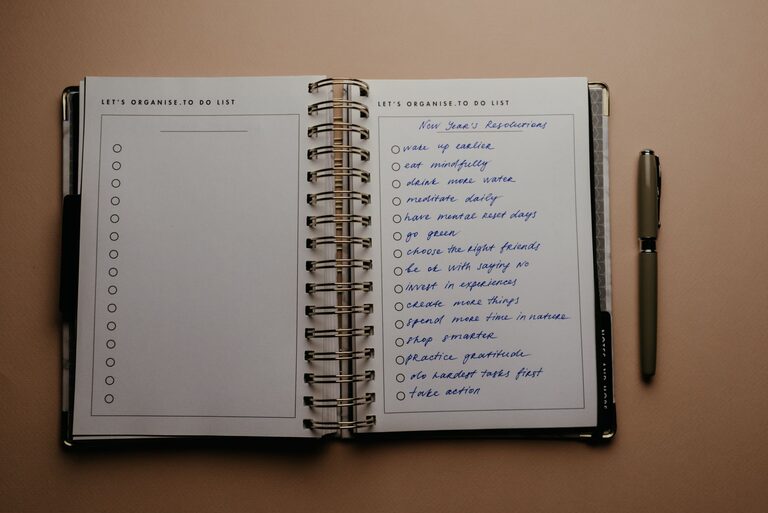
Building a new habit can feel easy at first. You may feel motivated, create a detailed plan, and make a strong start. The challenge is continuing when life becomes busy, your energy drops, or progress seems slow.
Habit tracking can help. It gives you a clear way to see what you are doing, notice patterns, and make small adjustments. The goal is not to create a perfect record. It is to make your habits easier to repeat over time.
Start With One Clear Habit
A common mistake is trying to change too many behaviors at once. A long list of new habits can quickly become difficult to manage. Instead, choose one habit that is specific and realistic.
For example:
– Read for 10 minutes before bed
– Walk for 20 minutes after lunch
– Write three sentences each morning
– Drink a glass of water after waking up
– Spend five minutes tidying one area
A clear habit answers three questions:
- What will I do?
- When or where will I do it?
- How will I know it is complete?
“Exercise more” is a general goal, while “walk for 20 minutes after work on Monday, Wednesday, and Friday” is easier to understand and track.
Make the First Step Small
Your starting habit should be easy enough to complete even on a difficult day. This does not mean the habit is unimportant. It means you are building a reliable starting point.
If you want to read regularly, begin with five pages. If you want to organize your workspace, start with one drawer or a five-minute cleanup. Once the habit feels familiar, you can increase the time or effort.
Small actions reduce resistance and make it easier to get started.
Choose a Tracking Method You Will Actually Use
The best tracking method is one that fits naturally into your routine. A complicated system may look useful but become another task to avoid.
Popular options include:
– A paper calendar with a check mark
– A notebook or journal
– A notes app on your phone
– A habit tracking app
– A spreadsheet
– A weekly checklist
Choose one method and use it consistently for a few weeks before deciding whether it works. If you prefer something visible, place a calendar near your desk. If you use your phone often, a simple digital checklist may be more convenient.
Your tracker only needs to answer one basic question: Did I complete the habit?
Use Habit Stacking
Habit stacking means connecting a new habit to something you already do regularly. The existing activity becomes a reminder for the new one.
Examples include:
– Stretch after brushing your teeth
– Review your schedule after making coffee
– Write tomorrow’s top task after shutting down your computer
– Practice a language lesson after lunch
– Prepare workout clothes after dinner
This approach works because the reminder is already part of your day. You do not have to rely entirely on memory or motivation.
When choosing an existing habit, select one that happens at a predictable time and place. A stable reminder creates a stronger connection.
Track Consistency, Not Just Streaks
Streaks can be motivating, but they can also create unnecessary pressure. Missing one day may feel like a complete failure, even when you have made significant progress overall.
Instead of focusing only on an unbroken streak, look at your consistency across a week or month. Ask questions such as:
– How many times did I complete the habit this week?
– What helped me follow through?
– When was the habit most difficult?
– What adjustment would make next week easier?
A target of five completions per week may be more practical than expecting seven. Flexible goals allow you to continue during busy periods without abandoning the habit completely.
Plan for Difficult Days
Consistency becomes easier when you decide in advance how to handle common obstacles. Think about what might interrupt your routine and create a backup plan.
For example:
– If you cannot take a 30-minute walk, take a 10-minute walk.
– If you cannot write for 20 minutes, write one paragraph.
– If you miss your usual morning routine, complete it after lunch.
– If you are traveling, use a shorter version of the habit.
This is sometimes called a minimum version of the habit. It keeps the behavior active without requiring the full amount of time or effort.
The minimum version should be useful but simple. It is not meant to replace your regular habit permanently. It is a way to maintain continuity when circumstances change.
Review Your Tracker Regularly
Tracking is most helpful when you use the information to make decisions. Set aside a few minutes once a week to review your progress.
Look for patterns rather than judging yourself. You may discover that:
– You complete the habit more often in the morning.
– Certain locations make the habit easier.
– You forget when the habit is not connected to a reminder.
– Your goal is too large for your current schedule.
– You have more energy on particular days.
Use these observations to improve your routine. Move the habit to a better time, reduce the required effort, or prepare materials ahead of time.
A tracker is not a scorecard. It is a source of information.
Make the Habit Easier to Start
The first few minutes often create the most resistance. Reduce that resistance by preparing your environment.
Helpful changes might include:
– Place a book on your pillow before leaving the room.
– Keep walking shoes near the door.
– Put your notebook and pen on your desk.
– Prepare healthy snacks in advance.
– Turn off distracting notifications during focused work.
You can also create a clear starting point. For example, instead of telling yourself to “work on a project,” decide that you will open the document and work on the first section for 10 minutes.
A visible cue and a simple first step can make a major difference.
Use Rewards Carefully
A small reward can help reinforce a new routine. The reward does not need to be large or expensive. It might be a favorite cup of tea, a few minutes of music, or the satisfaction of marking your tracker.
You can also make the habit more enjoyable by combining it with something you like. Listen to a podcast while walking or use a comfortable workspace for reading.
The most useful reward is often the immediate feeling that comes from completing the action. Notice the benefits, such as having a clearer space, feeling more organized, or gaining confidence from keeping a promise to yourself.
Recover Quickly After a Missed Day
Missing a day is normal. Travel, unexpected tasks, low energy, and schedule changes can all affect your plans. The important part is how you respond.
Avoid using one missed day as a reason to stop completely. Review what happened, make the next version easier if needed, and return to the habit at the next available opportunity.
A helpful rule is to avoid missing twice in a row whenever possible. One missed day is an interruption. Several missed days can become a new pattern.
Be honest but encouraging when reviewing your progress. Consistency grows through repeated returns, not through perfect performance.
Keep Improving the System
As your habit becomes more established, you may decide to increase its difficulty or add another related behavior. Make changes gradually. Give each habit enough time to become familiar before adding more demands.
For example, after regularly walking for 20 minutes, you might add a longer walk once a week. After writing three sentences each morning, you might extend the session to 10 minutes.
The most effective system is one you can maintain. Keep tracking simple, choose realistic targets, and use your results to make thoughtful adjustments. Over time, small actions repeated regularly can become a dependable part of everyday life.